Fine Art Print
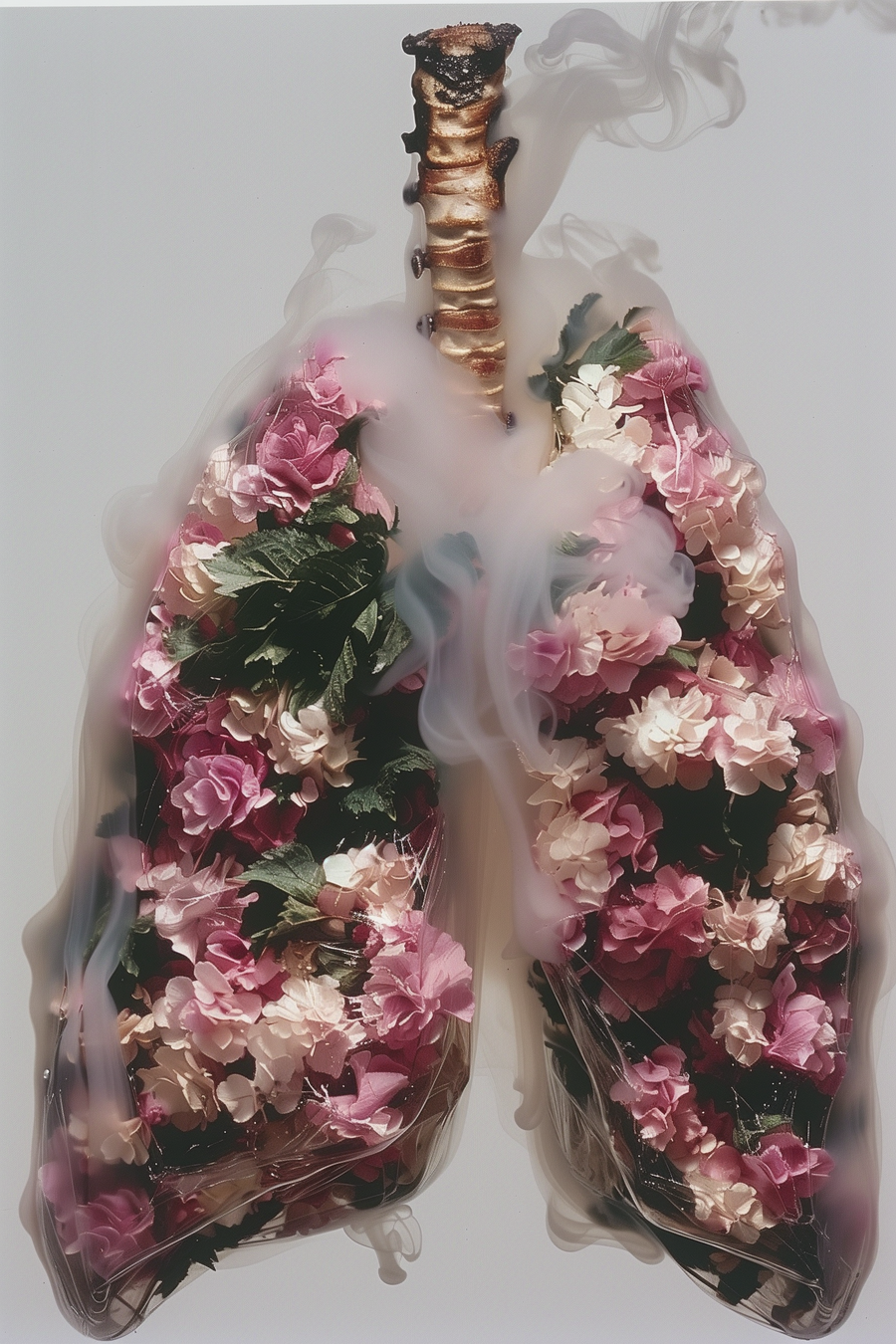
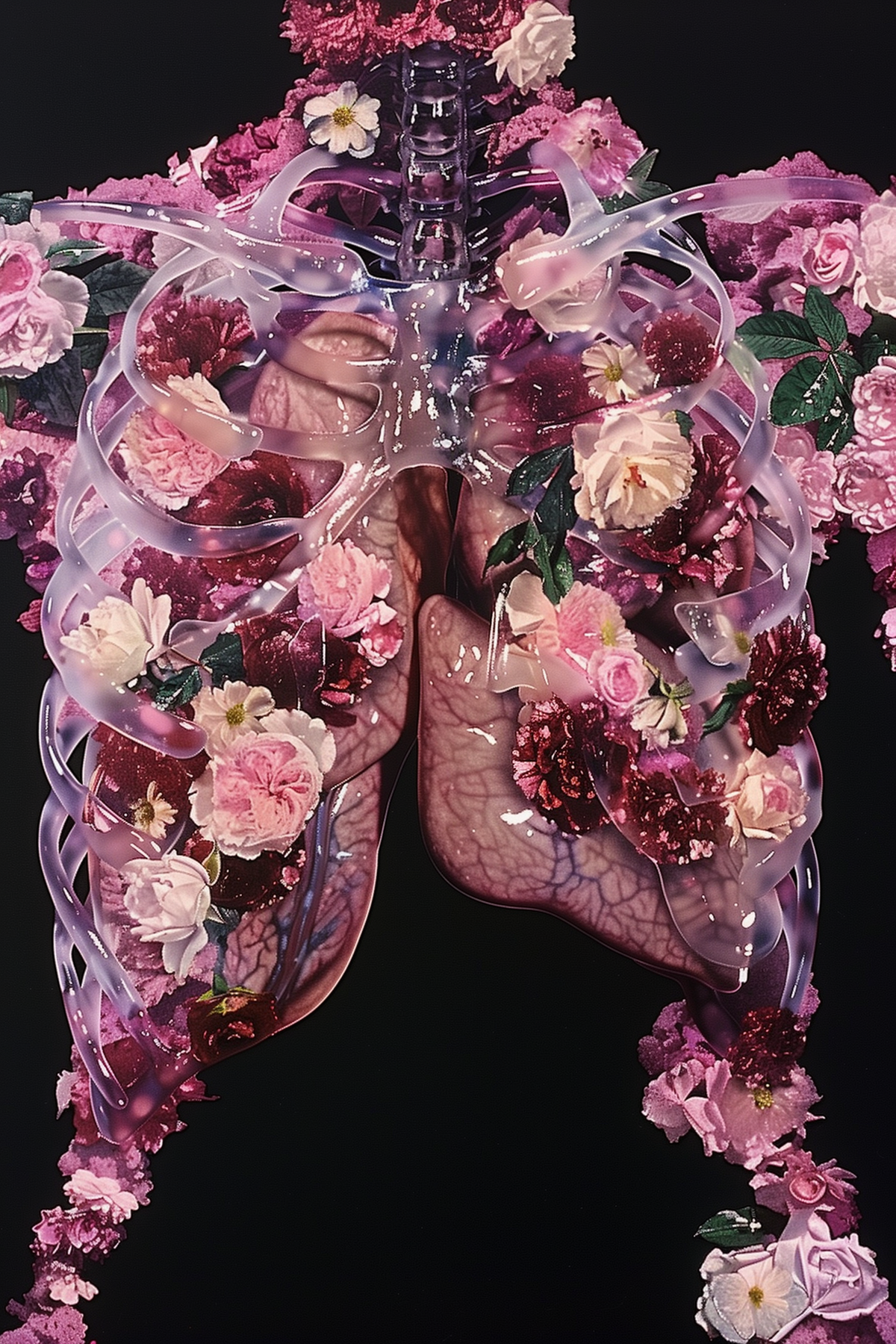
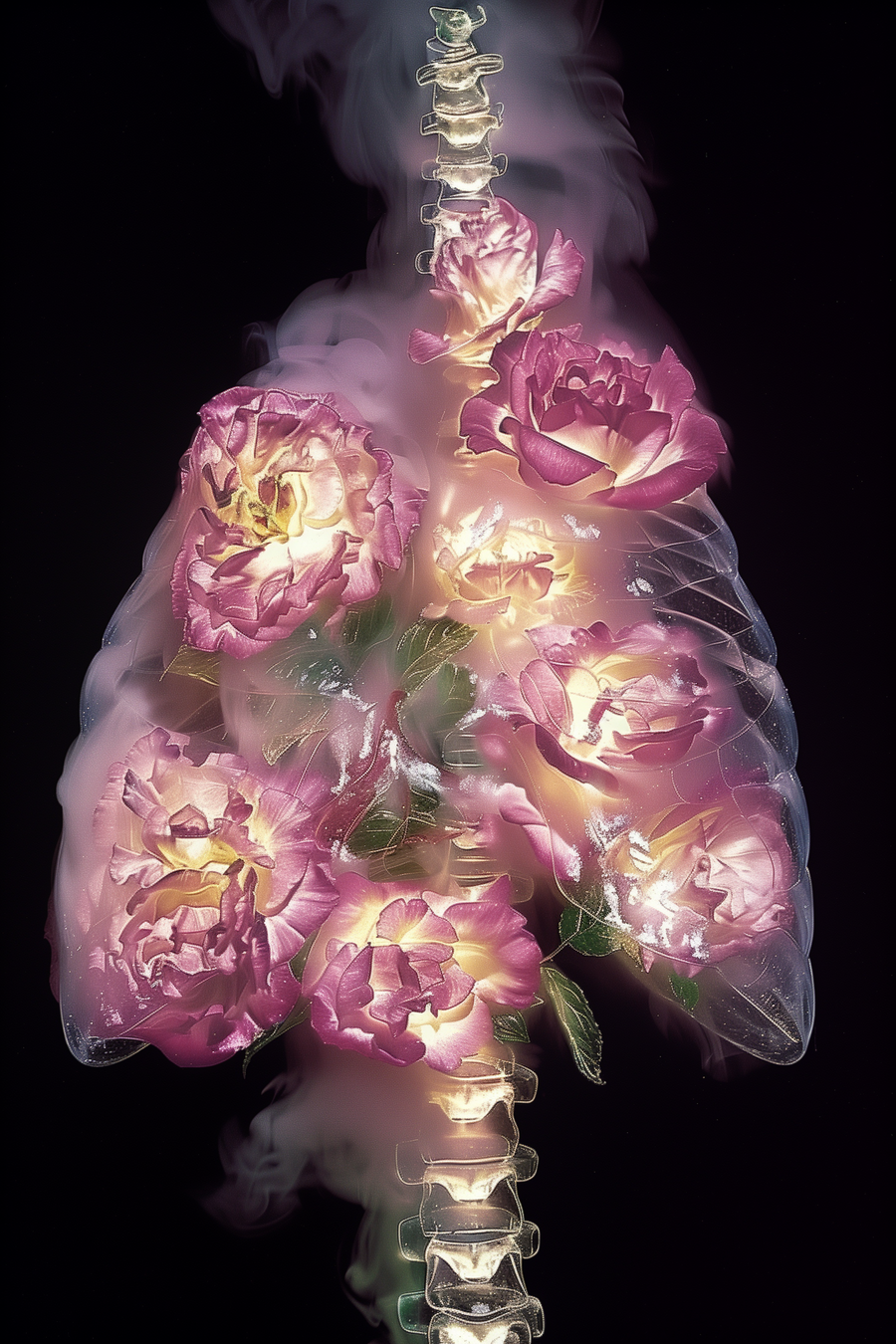
Lungs of Longing
Endy Kahlo
4 formats available
Acquire
Collection
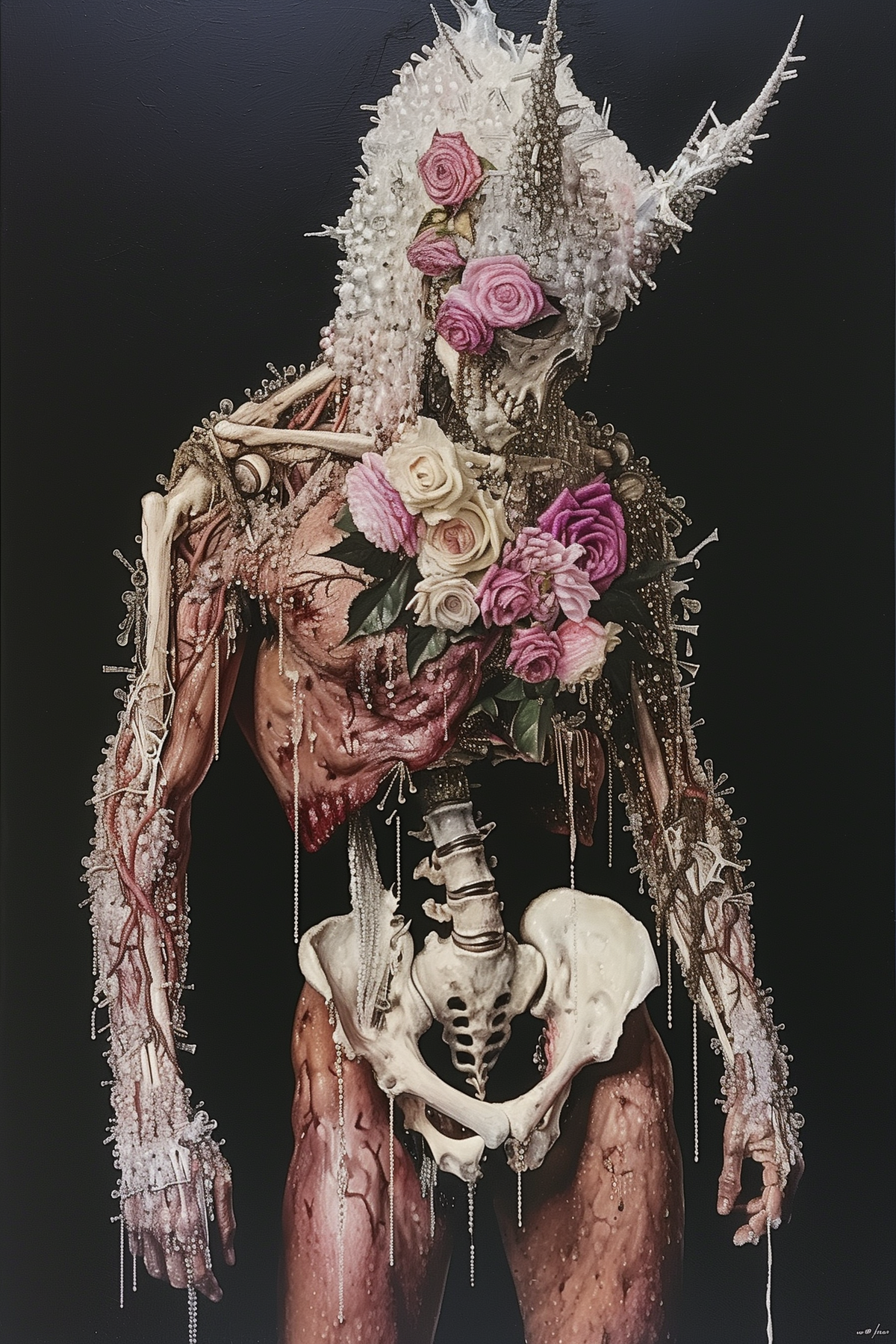
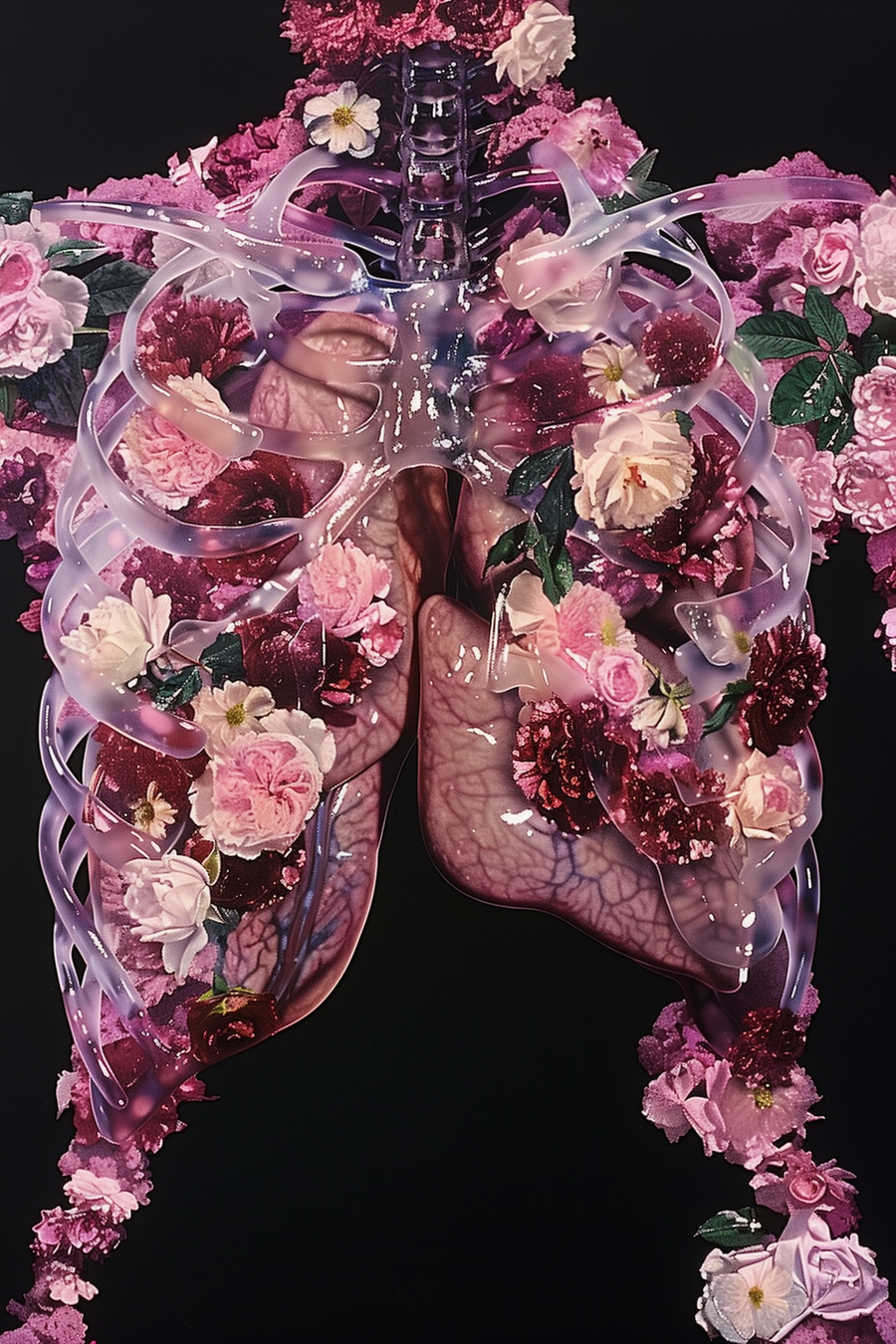
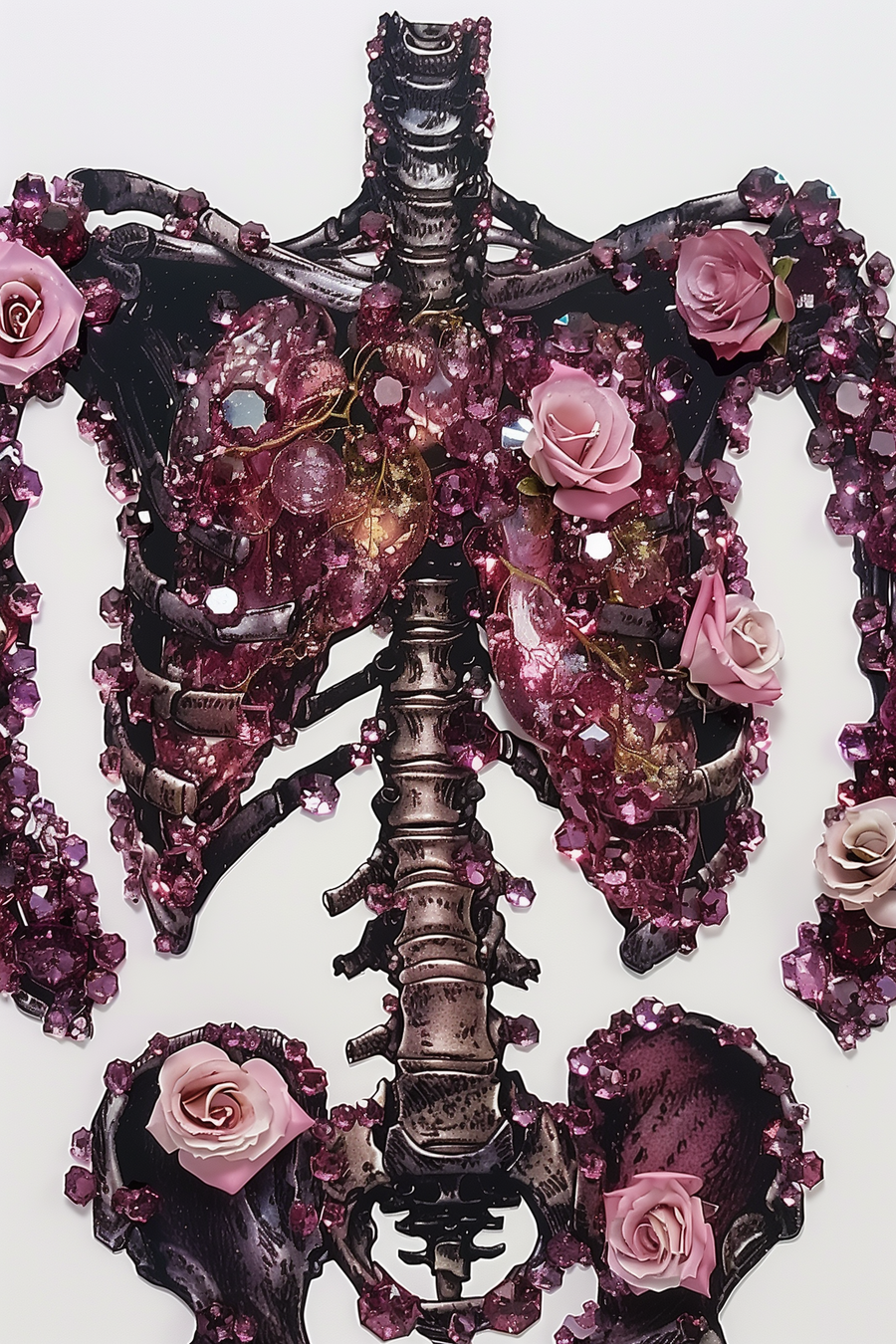
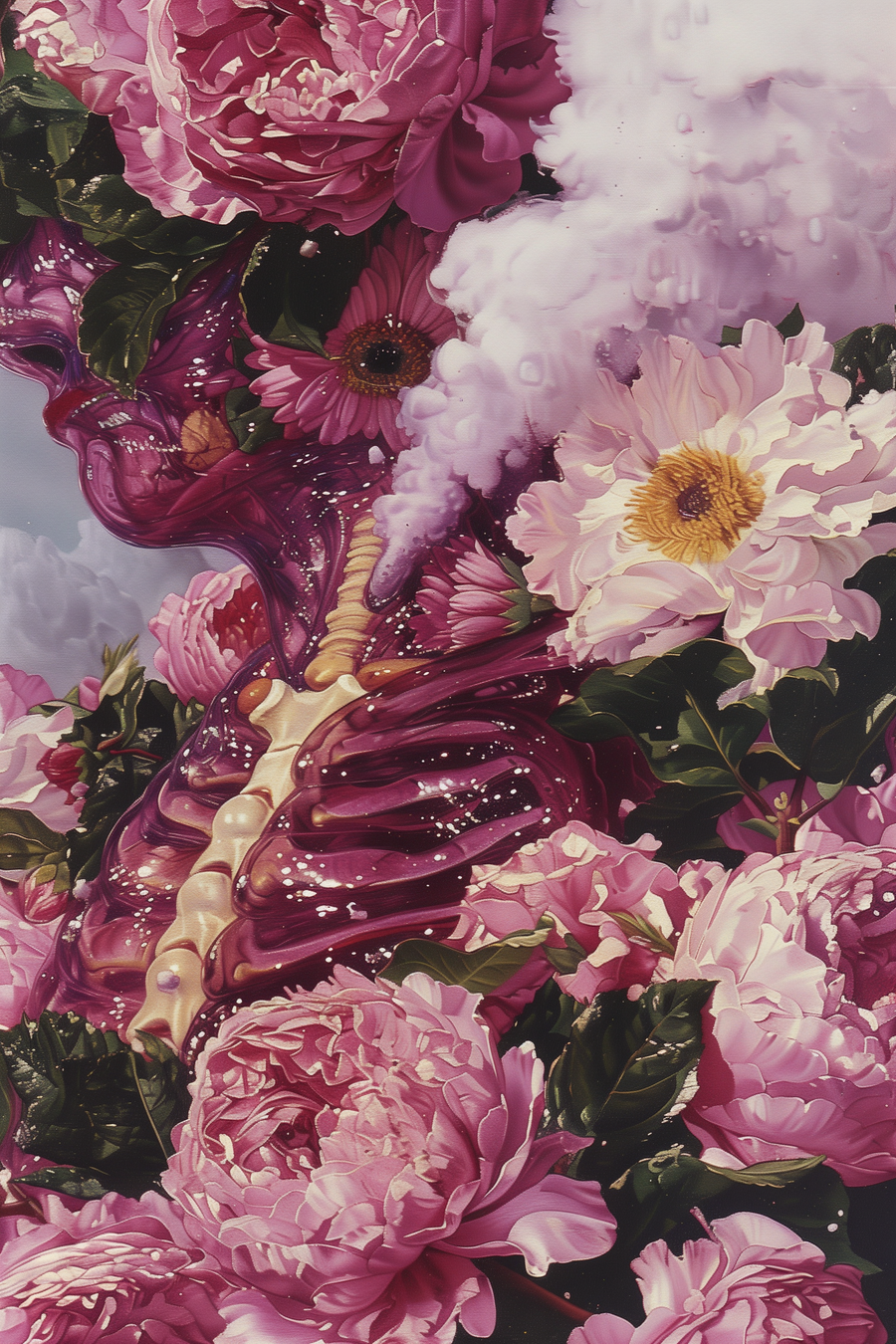
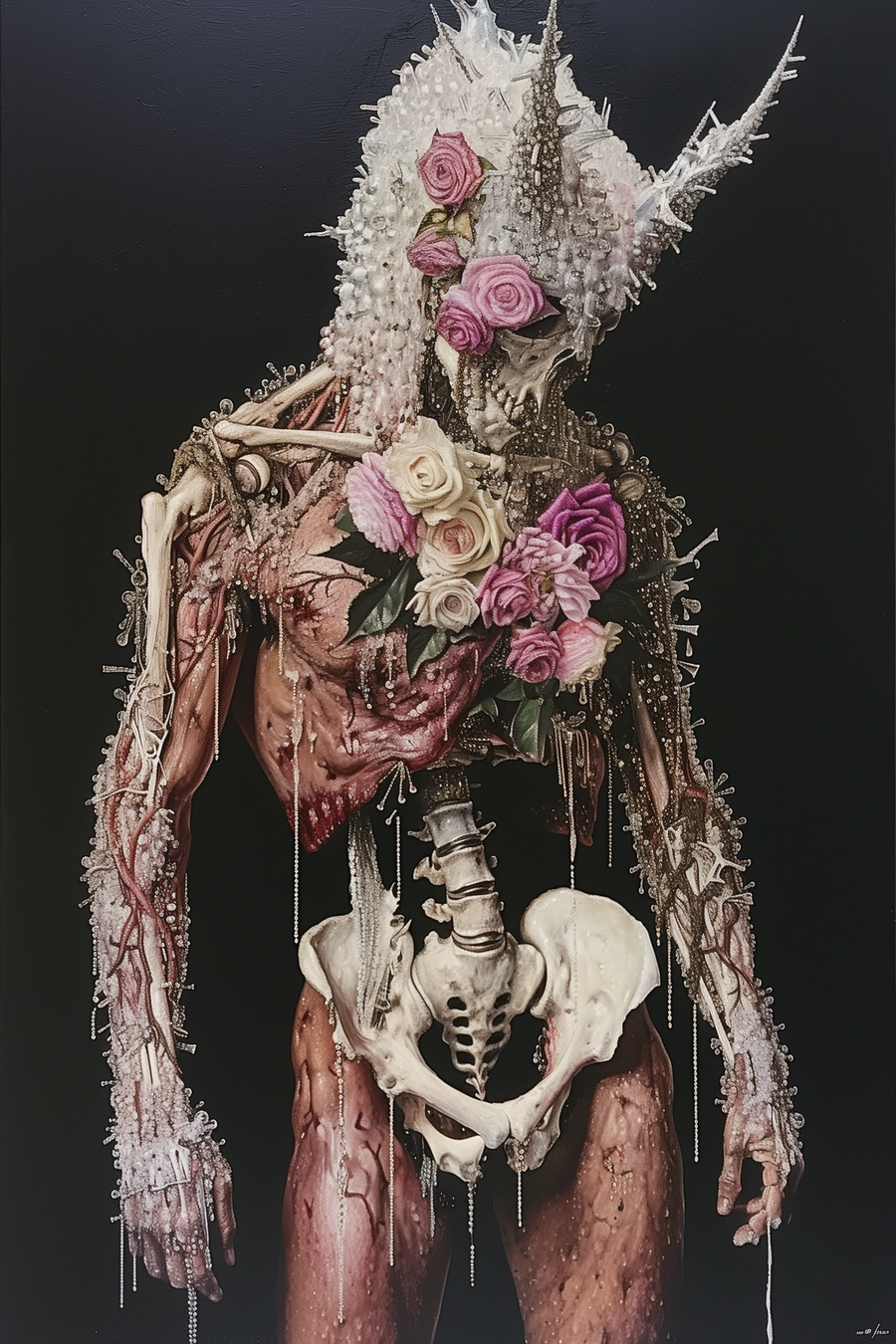
In Anatomy of a Lover, the body becomes archive and altar. What was once blood and marrow is reimagined as blossom and stone, as if love itself rewrites human biology. Flowers grow where words...
7 works
Explore the collection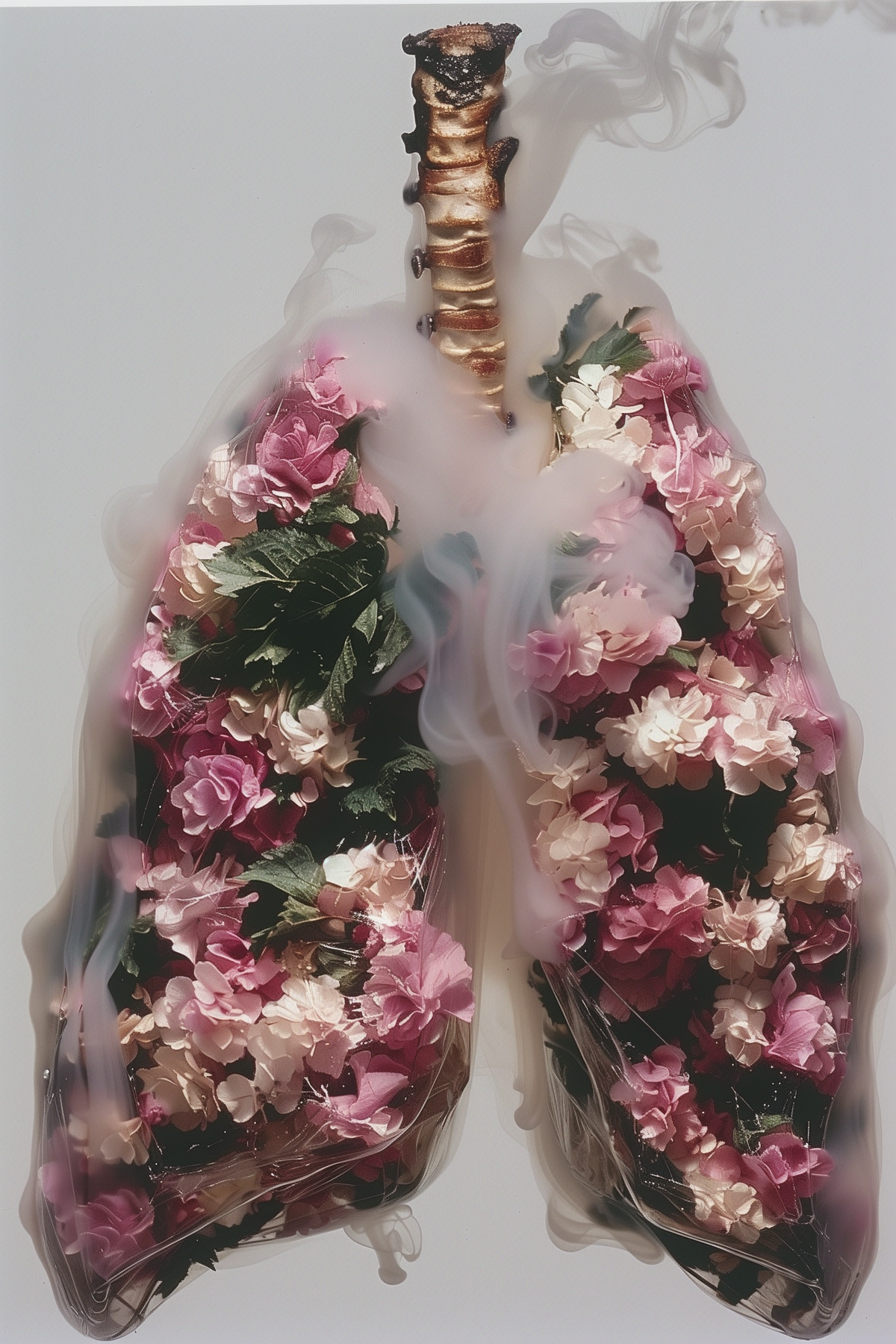

Curated edit
Colour, stillness, and a different point of view.
Explore the editCheck the work at eye level, in the light you live with. Confirm the available print and outer frame dimensions before ordering.
Explore the interactive room studyCompare the printed area and outer frame dimensions with your wall. Room previews are illustrative, so measure the space before ordering.
Notice the relationship between the work and nearby furniture. Leave enough wall around it for the composition to read.
Compare the artwork with the room in daylight and evening light. Screens and physical materials can render colour differently.
Bold shapes and dense colour carry further across a room. Lighter compositions can leave a smaller space feeling open.
Repeat a colour, curve or line across a grouping without requiring every work to match.
Choose the sightline you want the artwork to hold, then check the view from a seat and from the doorway.
The clear wall around a work is part of its presence. Allow for switches, doorways and other objects.
Test portrait and landscape shapes against the available wall width, ceiling height and nearby furniture.
Compare canvas, acrylic glass, framed fine art print and poster. Reflection, texture and edge treatment change the experience.
Large shapes can read from across the room. Fine details reward a position people can approach.